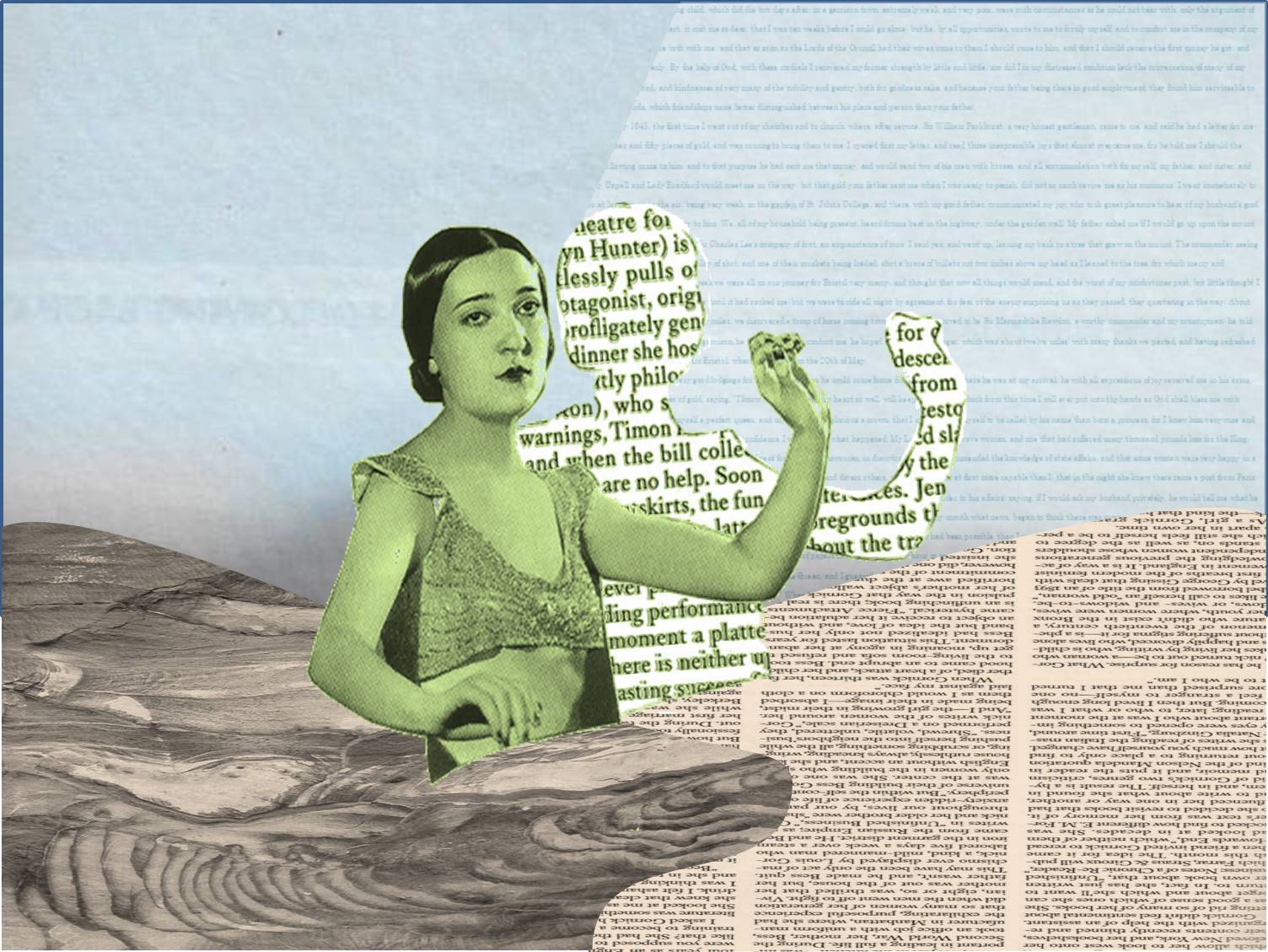

I have always felt sympathy for my freshman composition students as they anticipate a writing assignment in my class. I know the discomfort of facing a blank screen. I understand the anxiety some students experience when trying to fill the blankness with . . . something . . . something that will satisfy the requirements of the assignment and hopefully convey a message of value to the audience of readers that freshman comp students are often prompted to imagine.

To help them face the uncertainties of the blank screen, I have typically led my students through a number of prewriting exercises before giving them their assignment. That way they approach the task with a stockpile of material already in hand.
Until recently, I have held firm to what I’ll call the Blank Screen view of writing. When I was a college student, I dreaded starting a writing project. I knew I was a good writer because my professors told me so, but I didn’t think I had anything to say with my writing. I was young. I hadn’t amassed enough experience, insight, wisdom—whatever it is that one needs to have a message to share—to feel that I had something to write about.

Recently I encountered a book that offered a different view of what writers face when they begin a new project. In Therapeutic Dimensions of Autobiography in Creative Writing, Celia Hunt suggests that rather than facing a blank page, which is reflective of a blank mind, writers have “vastly overfilled minds” teeming with ideas, insights, remembered experiences, and theories, all competing for a place on the page. The struggle is not to discover something about which to write or a specific message to share, but to select from out of a chaos of material in the mind to find a subject on which to center and to dig in. The overfilled mind requires a great deal of prewriting to weed through the clutter and discover the one subject on which the writer wishes to focus.
Now that I am older, a late-career professor and writer, I feel that I have something to say. Now I have the Cluttered Mind view of writing. Hunt’s concept of the vastly overfilled mind resonates with me to the extent that I have many writing projects in mind, many messages that I want to share. My struggle now is with focusing my energies on one at the expense of the others.
Whether you begin a writing project by staring anxiously at a blank screen or by sifting through a wealth of ideas to find the one that you most urgently want to pursue, the key to launching the project is a good, healthy round of prewriting. No matter what form you choose—some extended freewriting is a popular method—prewriting allows you to fill the blankness or helps you to weed through the chaos.
Blankness or clutter, what do you face as you begin to write? Either way, prewriting is the key to moving forward with your writing goals.


 Person on the Page
Leave a comment