
First, steel yourself.
If you’re like me, you will find out things about your family that will shock you. You may learn that some of your ancestors were not who you thought they were, and that consequently you are not who you thought you were.
You may discover that your family tree is filled with sensational stories and heavy drama about which you were given no inkling by your parents. All you ever saw of your ancestors, after all, were tintypes or daguerreotypes, images in gray or sepia of people posed, still as pillars, looking sober and respectable. No drama, no scandal.
You may also discover people living today that you didn’t know existed—people who are closely related to you and that you should have known about, but didn’t.
You think you know all of your family’s juicy secrets? Well, hold on tight. You may be in for a turbulent descent.
Second, take a deep dive.
Enlist a database such as Ancestry.com to help you in your search. Have your DNA analyzed. That way, you can connect with current living relatives whose already-assembled family trees will help you build and make sense of your own.
The DNA kit from Ancestry is quick and painless, and within just a few weeks will provide you with an impressive amount of information about who’s who in your genetic arboretum.
Third, be prepared for hours of tedium and considerable confusion.
Pore over census reports, draft registrations and enlistment records, marriage certificates, wills, obituaries, and other newspaper articles to help you piece together your family story. Spend hours and hours and hours trying to find missing tidbits that fill in the gaps in your saga.
Why, for instance, does information about your paternal grandfather’s ancestry end abruptly in the mid-1800s? Why can you find no record of who came before that? Why is information about your maternal great-grandfather’s parentage contradictory? Why can’t you find any record of what your mother claimed was her first marriage to that man she called Eddie? Were they ever really married?
Why do the spellings of your parents’ and grandparents’ surnames change from one census to the next? Why do even their first names sometimes vary? Is that due to lazy census takers who had no idea how important the information would be to people in the future? To you? Or have you lost your way on your genealogical journey? Are you combing senselessly through the names of unrelated strangers?
If you’re like me, you will geek out on all this information. You may actually enjoy all the hours of tedium, until you collapse after several-hour stints and sink into the fog of all those handwritten records preserved electronically to mesmerize amateur sleuths.
Fourth, decide what you will do and how you will cope with what you discover.
After your DNA analysis report arrives and you take in all the surprises and insights it provides, what will you do after the dust of your family story settles? If you’re like me, you might have to come to terms with some of the discoveries.
For instance, you might learn that some of your uncles fathered children outside of their marriages—children that their wives, and perhaps they, knew nothing about. You may find a number of first cousins among your listed DNA matches that you don’t recognize—people who sought out Ancestry because they are searching for their true paternity. People who want you to help them find out which of your uncles is their father.
Or, you might find out that, like your uncles, your father sired a child a few years before you were born. The first entry on your DNA match list is a half-sister of which you were unaware. Until now. You were an only child, after all. No siblings. Until now. Turns out she’s been searching for her real father, and her search brought her to Ancestry just a few months before you arrived there. Your genealogical research leads you to an abrupt life change as you cultivate a relationship with this surprise sibling.
When you were growing up, you may have noticed that your maternal great-grandfather was shrouded in mystery. Your mother and her siblings whispered things about him that you were not allowed to know. Your maternal grandmother changed the spelling of the family surname to distance herself from this man.
When you search for his ancestors, you find nothing. No parents. That branch of the family ends with him. But you are a genealogy nerd. You can’t let it go. You search. You consult with distant relatives on Ancestry who have been similarly intrigued by this progenitor who was reportedly “adopted” and whose real parentage has been deemed unknowable.
But you can’t stop there. You have to know. Who was this man? Who were his parents? Why is he such a mystery? Through hours and hours of determined searching, you find clues. Finally, you believe you have found the truth.
And to think that I decided to purchase a DNA analysis kit from Ancestry just to confirm that I’m Irish.
Turns out I’m not.
. . . . .
I guess the part above about my great-grandfather is kind of a cliffhanger. I will try to unravel the full story—the truth about this mysterious man—in an upcoming post.
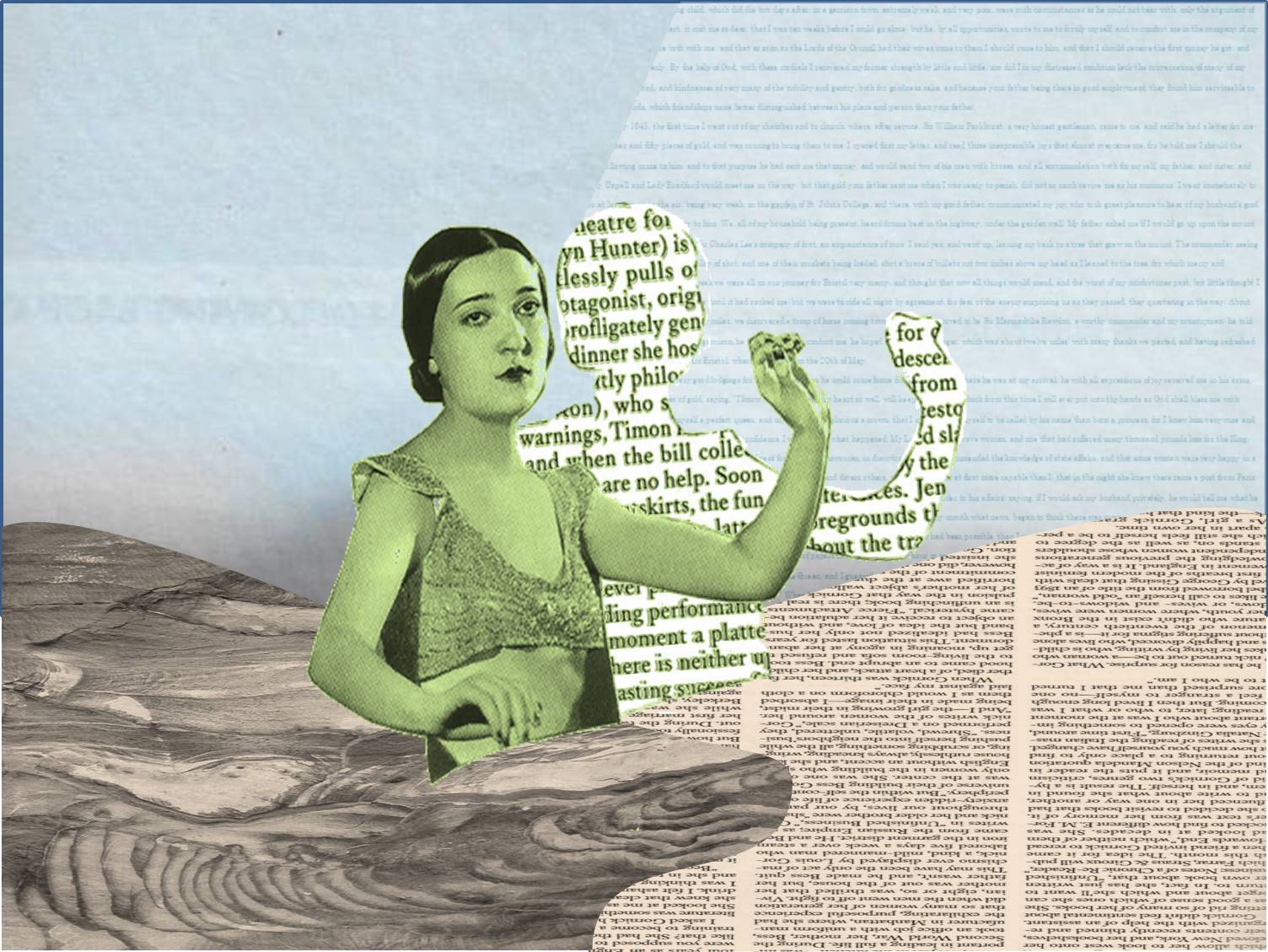
Image: AI generated by Gemini


 Person on the Page
Leave a comment