
Shortly after my poetry chapbook, Falling: A Memoir in Verse, was published, I was asked by the university where I taught at the time to give a reading on our campus.
I write about difficult subjects. My instincts prod me to face experiences from my past that cause me the most discomfort and to write about them: to describe, dissect, examine, and ultimately share them with readers. In my chapbook, I had done just that. I took on the subject of the sexual abuse I experienced as a child, and I zeroed in on its effects on my life as I was growing up.
Standing at the podium in the meeting room where I would read my poems, I looked out at the people gathered there. Some were sipping coffee and sampling the provided refreshments. Some chatted with those seated next to them. The atmosphere was relaxed. I knew many of the people—some were my colleagues, people with whom I worked every day. Some were my students. Others were members of the surrounding community who regularly attended cultural events at the university.
After one of my colleagues introduced me, I read. I shared poems that together embodied my story. A story that, as a child, I had been forbidden by my mother to tell. The story of a child who is robbed of her innocence by family members—people who are charged with caring for her and keeping her safe.
The audience was quiet. They looked at me as I read. As I looked out at them, I saw, near the back of the room, a student who had revealed in my creative nonfiction writing class that when he was little, he had been sexually abused by his brother. Seated in a row near the front among a group of her friends, I saw a young woman who had been in another of my classes, who had written about having been raped by an uncle.
After I read, people asked me questions. How difficult is it to talk about such a personal subject? How was I able to make myself so vulnerable in front of an audience? Where did I find the courage to reveal my dark family secret? Others expressed their encouragement. Some offered their thanks that I was willing to bring this subject to light.
After the reading, a lady approached me. I recognized her as one of the community members who often attended cultural events at the university. She was a retired teacher, and her husband, who was there with her, was a retired clergyman. The two of them were the image of dignity—the products, it seemed, of a life well lived.
She spoke to me in just above a whisper. “The same thing happened to me,” she said. She told me briefly about the secret within her own family—the story of her own childhood sexual abuse. Then she thanked me for sharing my story.
When I gave readings from my chapbook at various venues, others came forward. They told me their stories. Some spoke in whispers. Some raised their voices in anger. Enough people confided in me that I began to suspect that what I had experienced was part of an epidemic.
According to the Centers for Disease Control, among American children, 25% of girls and 5% of boys are subjected to sexual abuse. Most of the abuses take place within families. The CDC acknowledges that many children may never talk about what is happening to them, so the actual percentages may be much higher.
I didn’t set out to be a spokesperson for sexually abused children. I just needed to tell my own story. I had hoped that by telling it I might help others who suffer in silence, but I didn’t know if that would be the case. I discovered, though, that my willingness to share my family secret seems to have freed others to talk about their own experiences of abuse.
If talking about it leads to healing, as psychotherapists suggest it does, then all of my discomfort at standing in front of audiences telling my story will have been worth it.
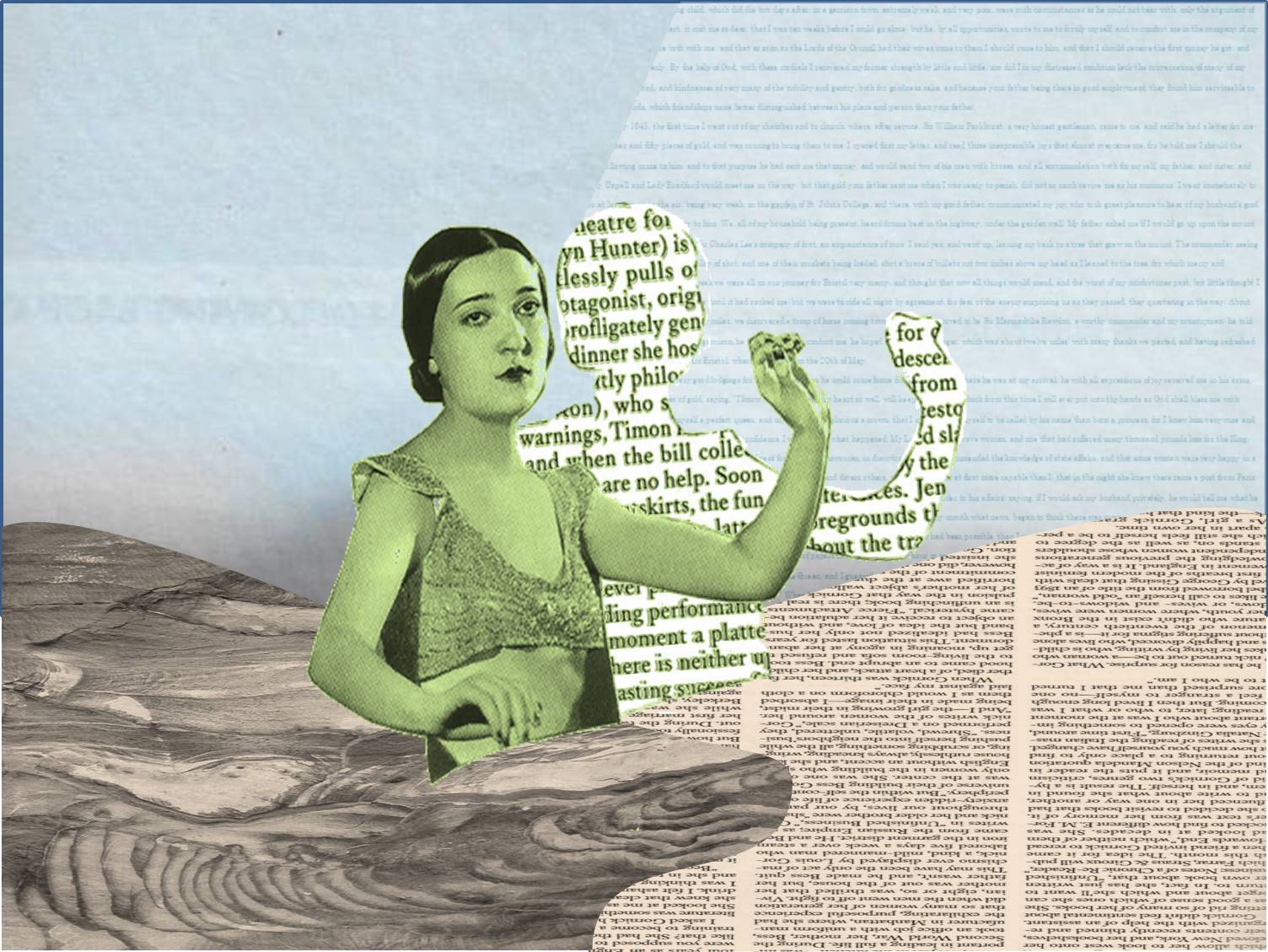
Image: AI generated by Gemini


 Person on the Page
Leave a comment