
After my mother died, a box arrived in the mail.
I didn’t go back home to Cumberland, Maryland, to attend her funeral, despite the fact that I was her only child. She had a brother and several nieces and nephews who took care of the arrangements. They cleaned out her house and disposed of her belongings, and while doing so, they found a box containing photographs that she had saved through the years. They decided that I should have them, so they shipped the box to me.
I knew about the photos—pictures of my parents around the time of their marriage, of me at the time of my birth and as I grew up, pictures my Aunt Marie had taken of Mother’s extended family. Our family photographs. But I hadn’t seen them for decades.

A box of old photos arrives in the mail. Open it, and ghosts begin to breathe. They ease their way into the room where you sit like slow smoke from an outed candle. Quietly, they make their presence known.
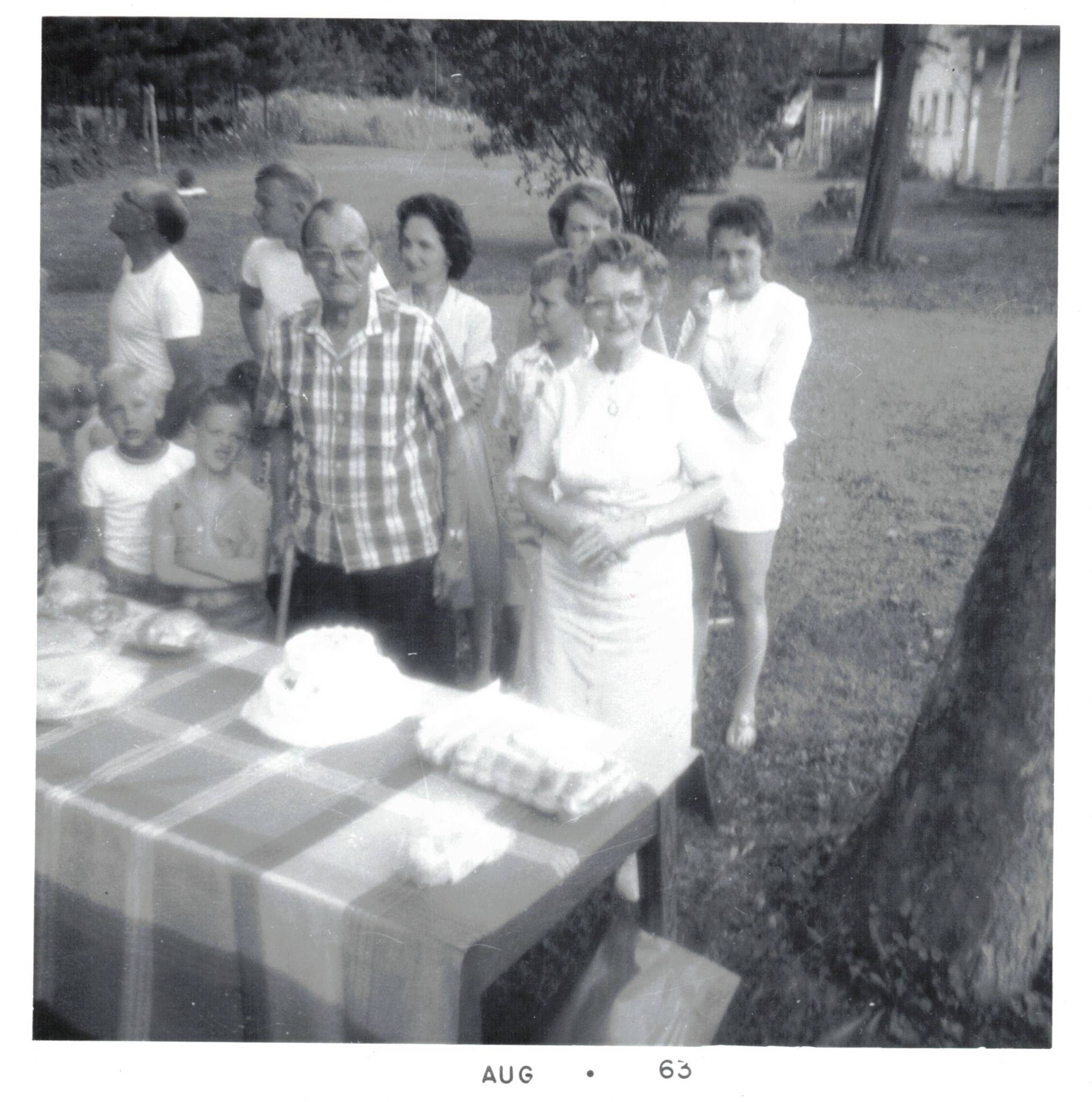
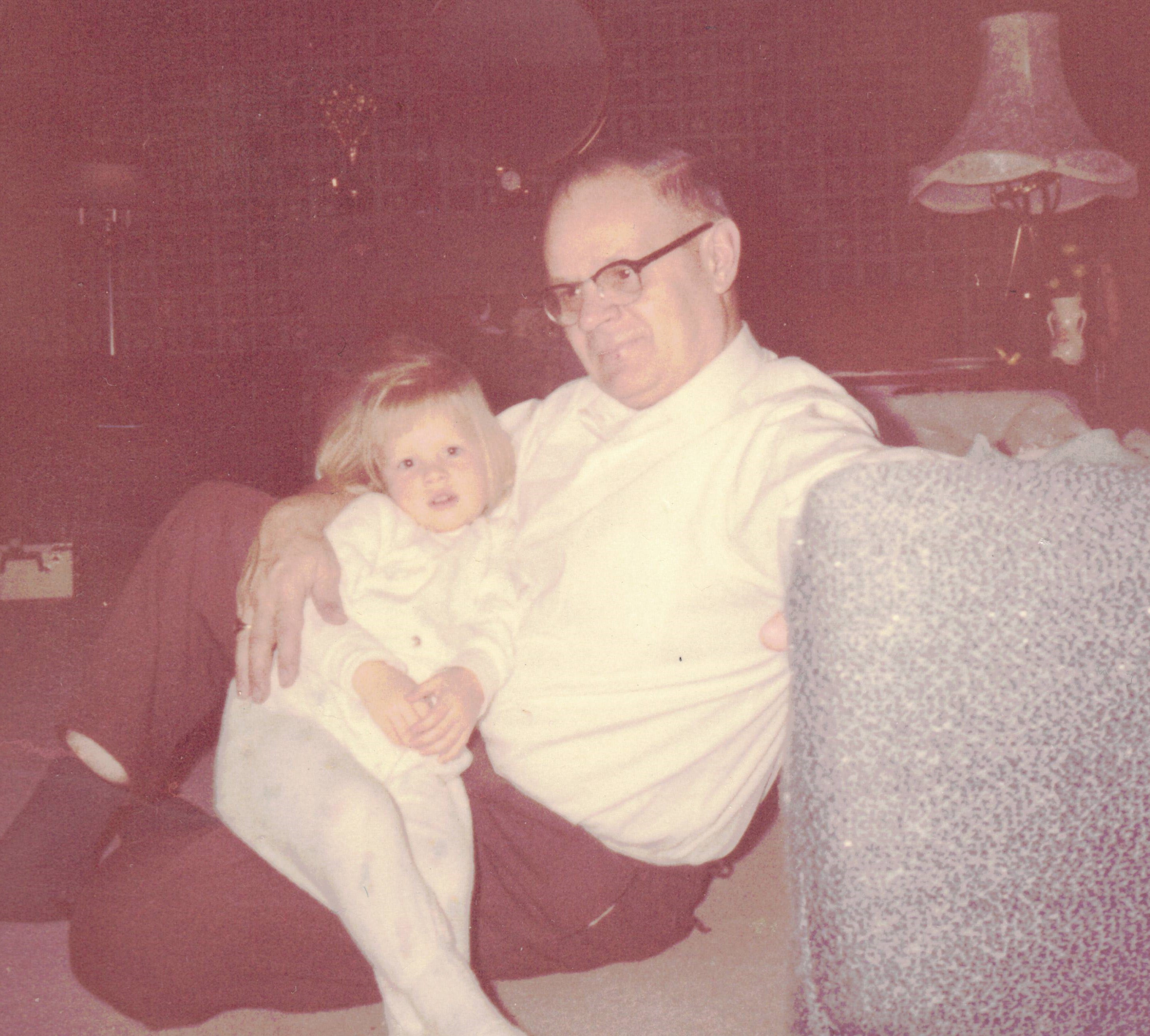
I took the photos from the box and spread them out on a table. Faces of my parents, of the child I once was, of aunts and uncles and cousins looked up at me from within their white borders.
Take the photos from the box, and the ghosts begin to move. They speak in faded images. They nudge and urge, refusing to be ignored. They have their way.
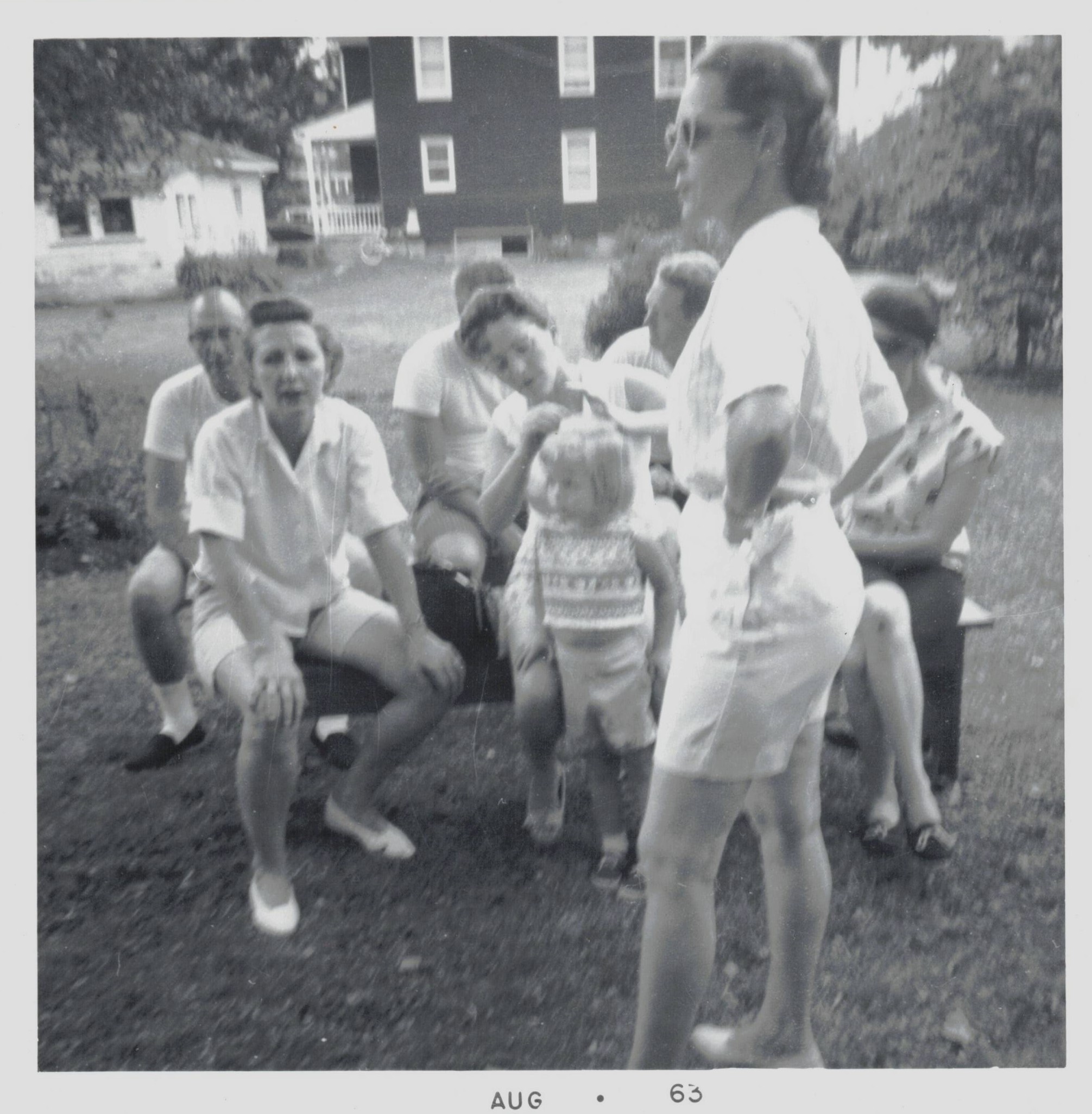
I first read Roland Barthes’ Camera Lucida years ago in a graduate seminar on autobiography and photography at West Virginia University. One night, one of my classmates brought bags of photos taken for the yearbook at the high school where she was teaching. Our professor allowed us to pore over them, looking for the pricks, the holes—that mysterious element in photographs Barthes called the punctum.
As we moved from Barthes’ discussion of the nature of photographs in general to the second part of the book, in which he recounts his own perusal of photographs of his mother shortly after her death, I never considered that I might someday find myself in a similar position.
“Now, one November evening shortly after my mother’s death,” Barthes writes, “I was going through some photographs.” Now, similarly, here I was, alone in the presence of these images from the past.
Barthes theorizes that some photos prompt in the viewer “an internal agitation, an excitement, a certain labor too, the pressure of the unspeakable which wants to be spoken.” And in some he finds a chance element, a punctum, which rises from the image and accosts the viewer. It is that “accident,” Barthes observes, “that pricks me.”
Old family photos are treacherous. They may challenge the accuracy of our memories and conflict with our accepted version of the truth. They may camouflage the real and impose a more acceptable counter-narrative upon our lived experiences. They may call us to account for parts of our lives from which we have separated ourselves. Something reaches up out of an old photograph to prod us.
The past returned to me in a box of photos, insistent on being acknowledged. I could not set them aside. Hour after hour, I let them wound me.

 Person on the Page
Leave a comment