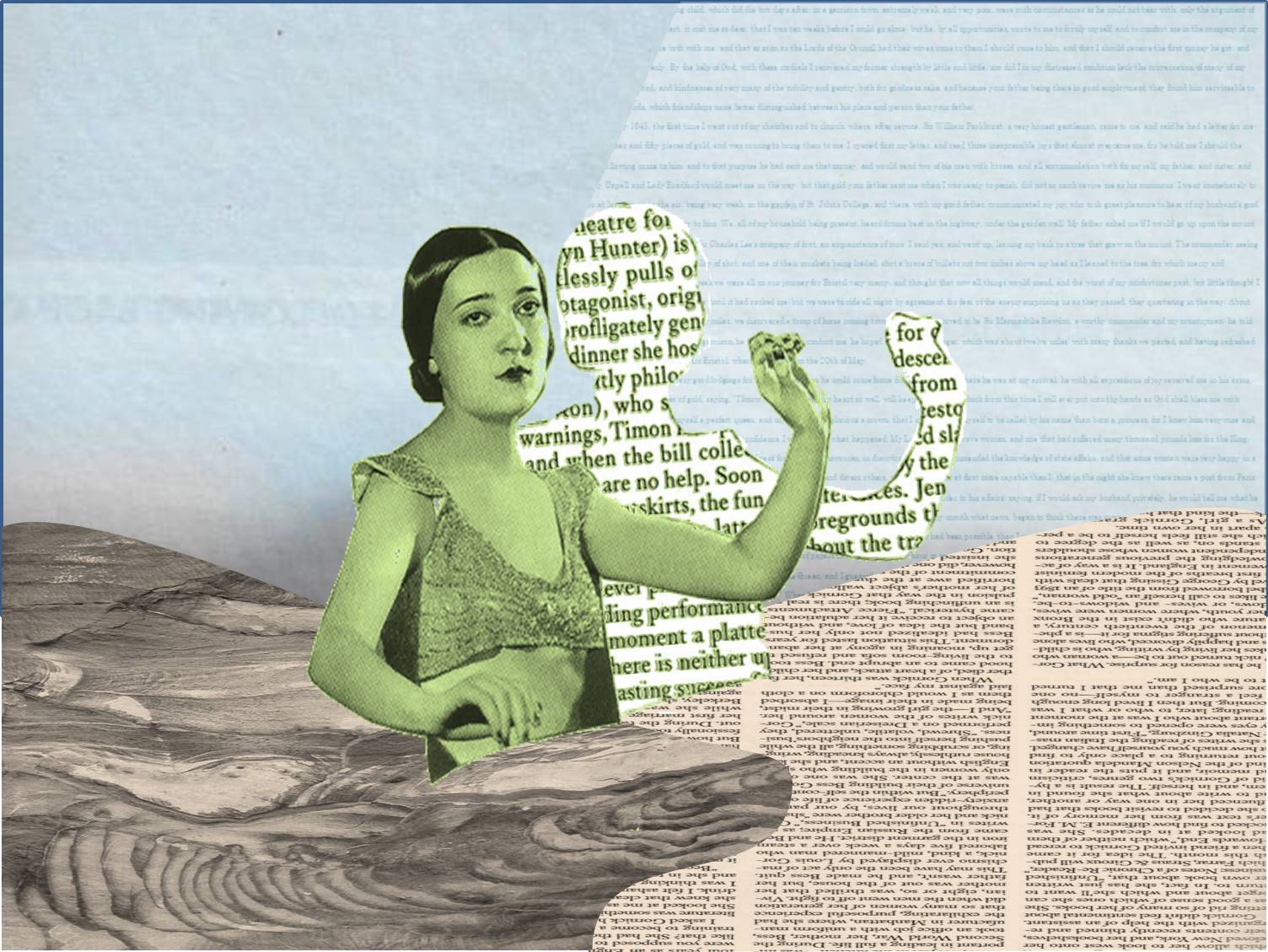
January’s selection was Celeste Ng’s novel Little Fires Everywhere. As I read it, I anticipated what some of our book group members might say about the story. When women in a book group get to know each other through the texts they read, their reactions sometimes become predictable.
Eloise, a former concert cellist, might identify with Mia, the character in the novel who sacrifices all to pursue art. Conservative, pragmatic Claire, a former hospital administrator, might empathize with Mrs. Richardson, the character whose superior education and upper-middle-class upbringing shape her decisions. And I suspected that Alberta might say that she read 50 pages of the book, grew bored, and gave up. That’s what Alberta has said about all of the books we’ve read.
But when a few retired women plan to meet for a winter book group at a public library in southeastern Michigan, snow sometimes intervenes.
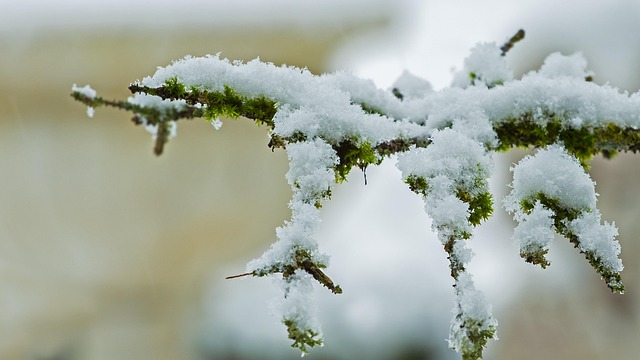
The announcement came early that morning that our session was cancelled due to a winter storm. I woke to our neighborhood awash in white, an insistent wind pushing flurries northward so that they appeared to move from left to right as I watched out my window. A world turned askew by the imposition of weather.
So, we would not discuss Mrs. Richardson and her well-bred teenage children, all destined for Ivy League colleges. Nor would we consider the metaphoric significance of their handsome house in Shaker Heights, on the outskirts of Cleveland, Ohio. Nor would we discuss the fact that Mrs. Richardson’s youngest daughter, Izzy, burned the house to the ground, dousing each room with gasoline before setting it ablaze.
Weather stopped us. Our dozen or so members, women who once held respected positions in academia, politics, or business, who once managed hectic schedules and bore responsibility, now bow out if road conditions might not be ideal.
Now we do what the urgings of our retired lives whisper to us to do. Stay home; stay here. Don’t go out there where uncertainty flares.
Nothing–not even literature–is worth the risk.
When I moved to Michigan several years ago and began my faculty position at a small faith-based university, I was told that classes were always held, regardless of the weather. Whether from some brand of religious fervor that favored self-sacrifice over good sense, or merely from long-standing tradition, the university where I taught never closed. I accepted that, and inched my car through the heavy snows and over the icy roads that persisted from November until April.
During my working life, snow posed an impediment, but it never stopped the flow of daily life. I maintained my schedule and fulfilled my obligations, no matter what menace whipped through the atmosphere.
Life in retirement is different. Now, when even a few half-hearted snowflakes appear on the air, I know our book group will not gather in Room 1C at the library, our coffees and books in hand. Now the fear of skidding off the road or falling on slippery patches in the parking lot prevails. We stay home and wait for next month.
Isn’t retirement, after all, a kind of waiting? A pause between the lives we knew and whatever comes next — the unknown. A time to recall, reflect, appreciate, and make much of what’s left, before the inevitable happens — whatever that turns out to be.
But, in spite of our mobility challenges, our failing eyesight and increasingly unreliable memories, when weather permits, the women of the book group meet. And for an hour or so, the texts we discuss ignite us. We energize Room 1C with our responses to books, our contrasting perspectives, the connections we draw from the texts to our own lives, our appreciation for good writers and good writing.
In Little Fires Everywhere, single mother and artist Mia supports her daughter meagerly with part-time jobs so that she can focus on creating her photographic artwork. She and her daughter move from place to place, never establishing a home as the Richardsons have in Shaker Heights. At one point in the novel, Mia explains to Mrs. Richardson’s impressionable daughter Izzy her philosophy: that we should periodically “scorch everything to the ground, and start over.”
She explains,
After the burning the soil is richer, and new things can grow. People are like that, too. They start over.
Is that what retirement is? Not a waiting, but a burning? A leveling of our past lives–so busy and productive–to eliminate all the clutter of our yesterdays? A clearing away, so that we can be and do something new? A starting over?
At our last meeting, Alberta, who never reads past page 50, explained that although the books we read bore her, she will keep attending our meetings.
“Otherwise,” she said, “I’d be home alone all the time. And I know that is not good for me. I know I need social connections to stay alive. The books we read are not worth the trouble. But you and your ideas are. I come here to spend time with all of you.”
As the snows of our winters blanket us in chill, our bodies and minds may gradually cool–so gradually we hardly notice.
But the women of the winter book club will flame on.
……….
This essay was originally published in Crow’s Feet: Life as We Age.
Sign up here to receive the free weekly newsletter featuring the best of Crow’s Feet.
……….
Cover Image: Adege at Pixabay


 Person on the Page
Leave a comment