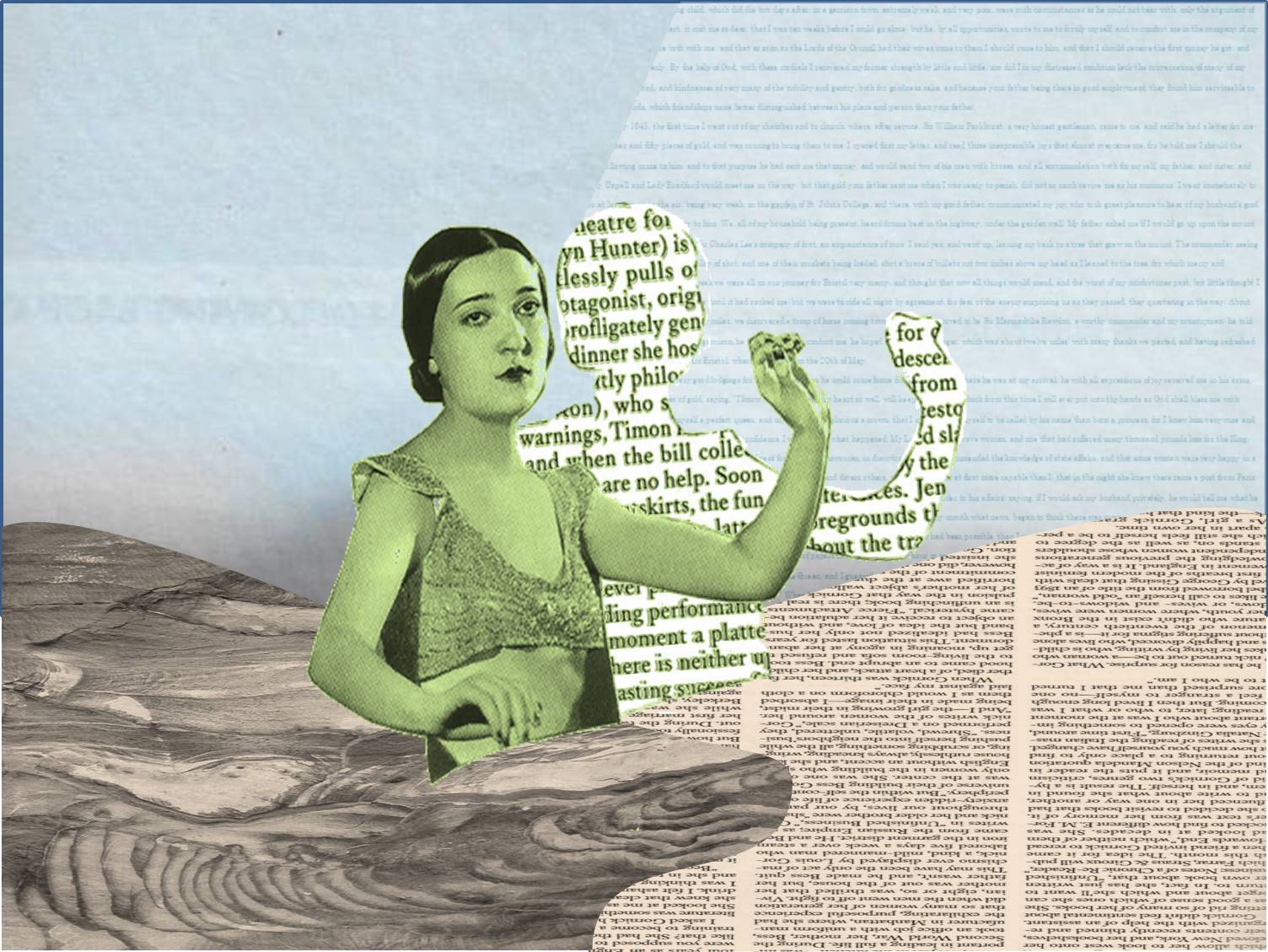

Shortly after I retired, I started to smell my mother in my house.
Her signature scent-mix of Estee Lauder’s Youth Dew and Suave hairspray hung subtly on the air as if she had just passed through my living room. Though she has been dead for 10 years, I had the sensation that she had just been in the house or was somewhere nearby.
As I adjusted to my post-career life, images from my teen years, vivid and almost palpable, flashed in my mind. The Fort Hill High School band’s brassy blare at football games, the penetrating beat of the band’s bass drum. Startlingly clear memories insisted on my attention — the warmth of my friends’ bodies as we huddled along the track at Greenway Avenue Stadium in Cumberland, Maryland, in 1977, watching the blur of red uniforms as the Sentinels won the state championship.
Scenes from my early childhood in McKeesport, Pennsylvania, played out like movies in my head. At age four, sitting on my father’s lap, my head resting on his chest. Hearing his heart beating as if I were there again, nestled against him.
These people from the past weren’t ghosts, exactly, but they were haunting me. They appeared suddenly without warning as apparitions that I could see, feel, and smell.
A few months into retirement when these memories were regularly rushing upon me, I thought, Oh, dear. Is this what the onset of dementia is like?
Or was this my life flashing before me the way we’re told drowning people see their entire lives played out before them as they die?
It’s not just me
“The same thing happened to me,” my wise friend Deb, who retired almost a decade ago, explained to me when I described the onslaught of memories I was experiencing.
She recalled being beset with sudden images of her parents’ violent arguments when she was a child. She said she could feel and smell the fur of the family dog that she clung to for comfort as her mother and father shouted at each other.
“After I retired and no longer had schedules, deadlines, and inter-office politics to cope with,” Deb said, “suddenly there was room in my mind for those scenes from the past to return. It’s like you’re emptying out your attic. You can rummage around there and find artifacts from days gone by.”
Is that what it is? Retirement from a busy career allows us to deal with the clutter of memories that have been accumulating dust in our attics? Having retired from my career as a professor — with no more classes to plan, exams to write, essays to grade, or committee meetings to attend — was my mind now freed to re-experience and perhaps come to terms with the past?
I consider myself a lifelong learner. I love research. I had to try find out what was happening to me. Why was I suddenly recalling the silvery sheen of the suit worn by the man my mother started dating shortly after my father died when I was 12? And why, when I was sauteing onions in my kitchen, did the aroma carry me back to the time when I was 16, when I challenged my boyfriend to a Big-Mac-eating competition?
Retirement Syndrome
I love a good label. If we can name something, we can feel that we have control over it. So I was relieved to learn that what I had been experiencing was one of a complex of symptoms that psychologists have named Retirement Syndrome.
Those who suffer from retirement syndrome feel disoriented by the sudden change in daily routine, the loss of professional identity, the isolation that may result from leaving our job, and the sense that we are no longer achieving, no longer contributing meaningfully to our community. Our focus shifts from the future (such as next week’s workload and scheduled appointments) to the present and past.
That shift invites memories to rush in, a phenomenon psychologists call a reminiscence bump. After age 40, people are likely to notice these memory floods. After they reach retirement age, the bump is most noticeable. Memories can arrive as seemingly real sensory experiences — tactile, aural, olfactory. The recollections are most likely to be from childhood through early adulthood, the time when our sense of identity is forming.
Why we hit that ‘reminiscence bump’ in the road
Learning about retirement syndrome with its accompanying reminiscence bump helped to explain the flood of memories I was experiencing. Smelling my dead mother in my house and feeling my high school friends around me were no longer so disturbing to me. And I was happy to discover that these memories seem to occur for good reasons.
1. We need to empty our attic.
My friend Deb was correct. Retirement does seem to clear space in the mind for the past to return. With no hectic work schedules to anticipate, no volumes of names, facts, and responsibilities to keep track of, we are freed to sort through our attics, examining artifacts from the past and making sense of our life stories.
2. We need to form a new identity in retirement.
When we experience a reminiscence bump, our minds return us to our childhood, adolescence, and early adulthood — the periods when we originally formulated our sense of who we are. Memories from those periods may assist us in rethinking and formulating who we are now that we are retired from our working life.
3. We need to let ourselves heal.
After we retire, we may have time to reflect on our past — with its troubles and triumphs, its wounds and rewards — in order to make sense of our own life stories. By presenting us with scenes from the past, our minds may be urging us to work toward healing. Memories flash before us to urge us to finally cope with what may have been burdening us for most of our lives.
That’s all good news. All of these memories are flooding in for a purpose. So when we retirees hit that reminiscence bump while driving toward the sunset of our lives, we can slow down to experience those flashes from the past, but we can feel confident to keep driving.
When our dead relatives seem to be alive and in our midst, and when we are suddenly teenagers again, cheering for our high school football team, we can safely assume we are not losing our minds.
Cover Photo: Surlo Munkaew at Pexels


 Person on the Page
Leave a comment