
Do our problems define us? Have our past experiences, especially those that were difficult or troubling, made us who we are? Are they an integral part of our identity?
In their 1990 book Narrative Means to Therapeutic Ends, family therapists Michael White and David Epston observed that people sometimes define themselves in terms of their problems, placing the problem itself at center of their sense of self.
White and Epston solidified a textual model of therapy that operates from the supposition that people view their lives as stories, and that by creating their own life stories they define their lives and relationships. If one’s problem is central to one’s sense of identity, then the problem shapes the story. However, people are free to shape their perception of the problem, thereby enabling them to change the trajectory of their story.
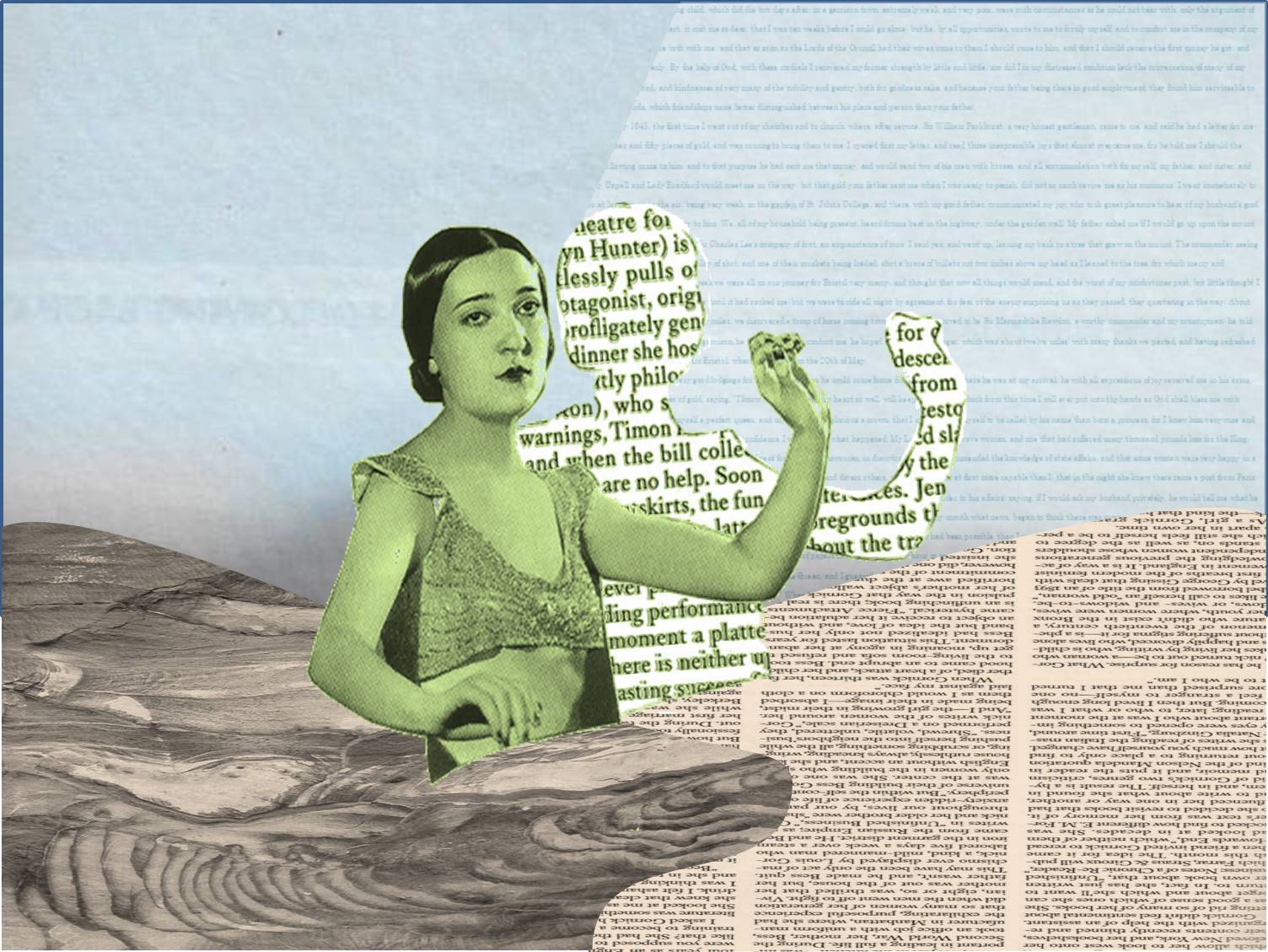
White and Epston encouraged their clients to externalize their problems by imagining the problem as an entity outside of the self. By relocating their problem, people are able to reimagine the self, setting aside the problem that had once been viewed as central to their identity and gathering other observations and information about their lives to reconceive themselves. As a result, one can understand oneself as a whole and functional person with a problem, not as the problem itself.
While the concept of externalizing the problem may be profoundly useful in a therapeutic setting, it is also applicable as an approach to writing personal creative nonfiction. Those of us who write about problems—troubling past experiences and other difficult personal subjects—may find that externalizing our subjects (that is, establishing a distance between ourselves as the speaker of our story and the subjects about which we are writing) helps us to write vividly and effectively about them. We may experience therapeutic benefits similar to ones achieved by those who undergo psychotherapy, but that is not our primary aim. Our aim is to turn our problems into works of literary art.
How can we externalize our subject—our troubling past experiences, for instance—in order to free ourselves to do our best writing? Here are some methods to try.
1. Experiment with point of view.
Instead of writing in first-person, the standard for memoir and personal essays, try using another point of view.
If you write your own story in third-person, you create a central character who is not you as the one who endures your experience. Third-person point of view allows you to fictionalize your story, providing you, the writer, with emotional distance from the events you are narrating.
Or, try writing your story in second-person. The use of second-person point of view establishes the reader, the one being written to, as the central character in your story. As the writer, you direct your readers through the events of your experience, allowing them to imagine the experience as their own. Like third-person point of view, second-person allows you to externalize your subject, providing you with the emotional distance you may need to write the story well. For more on writing from second-person point of view, see my post “Point of View, Times Two.”
2. Be creative with genre.
Another way to externalize your subject is to adopt a narrative mode other than the standard memoir or personal essay.
Consider appropriating a mode that will remove you from the story you are telling. Try writing about your experience in the form of a job application, a rejection letter, a recipe, an index, a diary, or a list. These forms distance you from your subject, giving you the space that you may need to write effectively. For more on appropriating an inventive mode to write your story, see my post “Why Sometimes It Takes a Hermit Crab to Get the Person on the Page.”
3. Consider the I who tells your story.
If you choose to write memoir or personal creative nonfiction from the standard first-person point of view, try developing a persona who speaks as the I of your story. Imagine the narrator of your experience as a character, and give that character a distinct personality. Doing so will allow you to remove yourself from the story, thereby providing you with emotional distance from subjects that may be difficult for you to approach writing strictly as yourself.
The above methods allow us to externalize the troubling personal experiences about which we choose to write. I have experimented with assigning students in my classes to write using some of these techniques. Some have reported that using these methods allowed them to separate themselves from their subject, providing them with a new perspective that they needed to be able to write about the deeply personal.
If you want to write personal creative nonfiction but find it difficult to do, try some of these methods.
And, please, let me know if they are helpful.


 Person on the Page
Leave a reply to gkreiger Cancel reply