
Lately I’ve been writing about food.
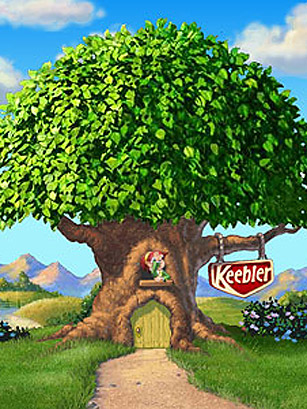
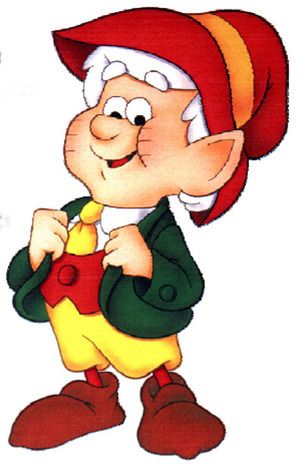
I’ve been reflecting on the complicated relationship I’ve had over the years with eating. The way I overate during the summer after my father died when I was twelve, downing box after box of Keebler cookies all those hot afternoons, enough to singlehandedly keep those tree-dwelling elves in business.
As a young adult, I flirted with anorexia. As I grew older, I became frustrated with my incremental weight gain, my predisposition for food-related health issues—cholesterol, blood pressure.
I’ve also been thinking about my haphazard evolution as a cook—my seeming inablility to improve my culinary skills despite decades of daily meal preparations, my tendency to never use a recipe more than once.
During my many years as a college composition instructor, I have advised my students to consider their audience. To whom are they writing as they compose their essays? What do they need to know about these potential readers in order to make their message meaningful and appealing to them? What style of writing will attract them?
As I look at what I have been writing lately, I can imagine that there are people who have had similar issues with food—eating disorders, weight control problems, lifestyle-related health concerns. Probably some mature women out there have gone through experiences similar to mine. I’m guessing there are people who have been cooking for themselves and others all their lives but never mastered the culinary basics. Are those people my audience? Do I have a message that will benefit, inspire, or at least interest them?
A few times I have been surprised by the people who showed interest in my writing—people I wouldn’t have suspected. For instance, at a writing group meeting during which I shared an excerpt from my memoir about my troubled childhood—a description of how my mother had a habit of frequently and over-zealously administering enemas—I was surprised by the person in the group who responded most strongly to my writing. A twenty-one-year-old man who was writing about his misadventures with alcohol and partying, the last person I would have thought would be interested in my subject, said to me, “You have written about an enema in a way that makes it seem beautiful.” That had been my aim, but I wouldn’t have guessed that that young man was my audience.
While I don’t believe that I am wasting their time when I encourage my students to identify their potential reading audience, I think that considerations of audience are not as clearcut as we might assume. We don’t always know for sure whose interest will be sparked by our writing, who might be moved, or entertained, or enlightened by our message.
As I’ve been writing about my ongoing relationship with food, I have come to realize that, when you write, your first audience is yourself. That idea might seem to be in conflict with standard writing pedagogy, but bear with me. If you find your subject meaningful, if you are invigorated by the writing persona you have adopted, if you are excited by your thoughts and by the words you’re putting on the page, then you’re likely to be doing your absolute best writing. And good writing, regardless of subject or message, is likely to attract a broad and diverse audience of readers.
For whom do you write, really? Yourself, or a perceived audience? When you write in a way that pleases you, do you produce your best writing?
Please share your thoughts.


 Person on the Page
Leave a reply to Sproul, Linda D Cancel reply