
I don’t remember if I taught him the song or if he taught it to me. But one summer, Grandpap Swayne and I sang, Little red wagon painted blue…, as we played dominoes, painted by numbers, and watched cartoons on TV.
When I was a child, Mother and I traveled from our home in Richmond, Virginia, to spend a few weeks in Western Maryland at my grandparents’ house, a nicked and tattered old bungalow perched on a ridge overlooking the city of Cumberland. Mother packed some of my board games and children’s books to take along because she said Grandpap would enjoy them.
In the mornings, Grandpap sat on the porch with his pipe (Grandma wouldn’t let him smoke in the house). I sat beside him watching every move of what seemed a mystical ritual. He filled the pipe’s bowl from his tin of Prince Albert and pressed the tobacco down with his nicotine-yellowed index finger. He used a kitchen match to light up as he drew in the smoke slow and steady, closing his eyes as if to experience better what seemed to be pure pleasure. Then he let me blow out the match.
Meanwhile, I made up stories to tell him about brave little girls who did daring deeds and giant spiders who threatened to swallow the house. Mother reminded me to speak up when I talked to him because Grandpap was, as she said, hard of hearing. As I regaled him with my spontaneous tales, he chuckled. Whether or not he could hear me, he seemed to enjoy them.
A few days ago, I was struck by a flash of memory — something that has been happening more and more often as I grow older. The two of us, Grandpap Swayne and I, singing together on the porch, Little red wagon painted blue — Skip to my Lou, my darlin’.
It may have been a song I learned at school and was excited to teach him. More likely, though, it was Grandpap’s song — one he’d carried with him from his childhood in Bellegrove, a few miles east of Cumberland, where he grew up.
Skip to My Lou dates back to the mid-1800s and was well known as a folk song by the time he and his nine siblings were working his father’s farm. Of its many verses (Flies in the buttermilk, shoo, fly, shoo, and Can’t get a bluebird, a jaybird’ll do, for instance), the one we sang connotes most clearly an effort to take something less than desirable — an old, weathered little red wagon — and make something new and desirable of it — by applying a fresh coat of blue paint.
In the afternoons when the sun blazed over the Western Maryland hills, Grandpap and I played dominoes at the kitchen table while he sipped from his cup of coffee richened with Cremora.
“Pop!” Grandma used to shout at him. “Don’t drink so much of that ol’ Cremora. That stuff’ll kill you!”
He didn’t seem to hear her. He kept right on sipping as he picked a domino from the boneyard.
After our games, we stood the dominoes up like soldiers in a spiral on the table. Grandpap let me tip the first one, which started a chain reaction as each fell into the next in a swirling chase.
Then he stood up, locked the hinge on his artificial leg, and went to the stove for more coffee. Little red wagon painted blue, he sang as he shoveled a heaping spoonful of Cremora into his cup.
Born in 1892 and married in 1912, my grandfather raised nine children during the Depression in a poverty-ridden town at the eastern edge of Appalachia. He struggled to earn enough money to feed them. Sometimes the family went hungry. Physically disabled by an atrophied leg, he worked over the years as a farmer, a railroad clerk, a checker for a tire company, and a carpenter. Later in life, he lost his leg and learned to walk with a prosthesis. Years after that, he would lose his other leg and spend the rest of his life in a wheelchair.
When he could no longer work, Grandpap retreated into the rickety house on the hill above Cumberland and, like a kid just released from school at the end of the year, lived what looked like a permanent summer vacation. He occupied his days with Solitaire and TV Westerns. He moved back and forth from the porch to the kitchen as he pursued what seemed to be his two favorite hobbies: smoking and drinking coffee.
When I or any of his other twenty-five grandchildren came to visit, he played board games, worked jigsaw puzzles, read comic books, and watched cartoons with us. Grandpap appeared to be recapturing his childhood.
After those summers spent at my grandparents’ house, I grew up and pursued a career. A year ago, I retired.
I entered this phase of my life with high-flying hopes of returning to a time when every experience was new: my childhood. I wanted to read all the books I hadn’t had time to read before and learn all the things I’d always wanted to know. Take long walks in the woods, mesmerized by the silent dignity of trees. Listen — really listen — to the songs of birds.
I pictured myself hopscotching my way through the rest of my life, carefree as a coddled kid.
But as I’ve learned over the past year, after retirement some of the adult troubles and worries remain. Health issues arise, along with concerns about retirement income, an aging body and mind, a future of decline and loss. All these realities interfere with my pursuit of a second childhood.
I think of Grandpap and the losses he sustained in old age. His return to childhood may have been his effort to make the best of what must have been a painful last phase of his life. An escape from reality, perhaps. Or maybe a stubborn hope to create a new reality. In either case, his effort reflects the resilience of the human spirit, even in the bleakest of circumstances.
Maybe he took the broken, battered red wagon of his life and, in his final years, painted it blue.
That summer long ago when Grandpap and I sang the song, I didn’t understand the implications of the words. To me, a child, they were just words.
Now, I wonder. In my giddy hopes for a happy childhood in my old age, am I just taking what is left of my life and spiffing it up with a fresh coat of paint? Pretending that old age is a happy childhood? Painting my wagon blue?
If so, so be it.
I’ll paint it periwinkle.
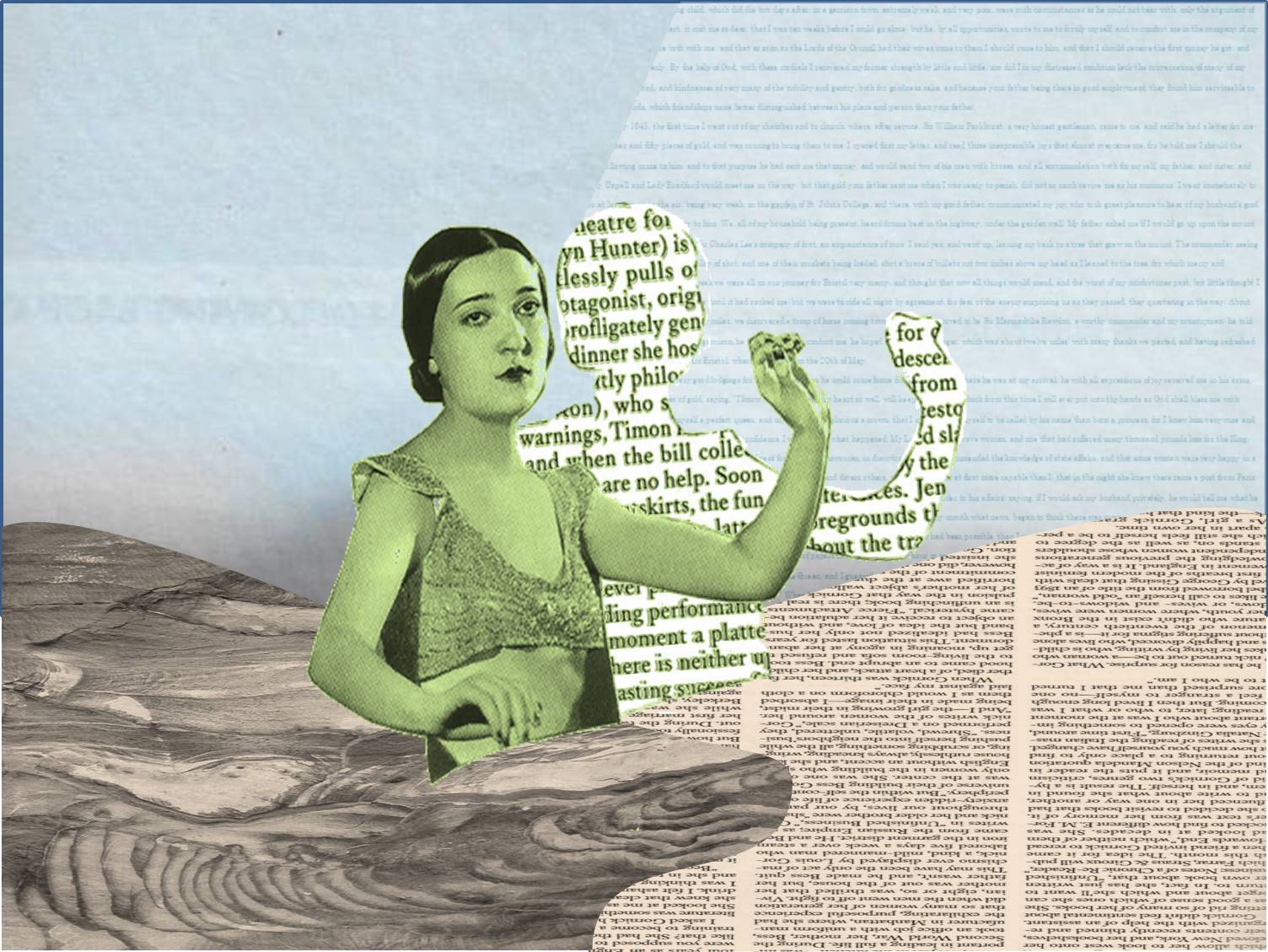
Cover Photo: AI generated by Gemini


 Person on the Page
Leave a reply to Jeff Cann Cancel reply